Start here
What you can find on this site
Facts we can document, with the source named. No carbon or certification claims we cannot back with a document.
Raw-material origin
Where the lignin comes from and how it becomes powder or liquid.
How the products are made →Environmental & safety data
SDS hazard classification, ecological information and disposal in one table.
See the data table →Product scope
The lignin-based products this hub covers
Every product here starts from lignin, the natural polymer that holds wood fibres together.
Lignosulfonates
Sodium, calcium, magnesium, ammonium and potassium saltsRecovered from the spent liquor of sulfite wood pulping. Powder and liquid grades.
lignosulfonate.com →Lignohumates
Sodium, ammonium and calcium; powder and granulesMade from lignin by alkaline treatment or lignin–humic complexation.
chinalignin.com →Lignin
Water-insoluble lignin powderLignin recovered from plant material, for resins, binders and similar uses.
lignincorp.com →Micronutrient grades
Zn, Fe, Cu, B and Mn on a lignin carrierThe lignin carrier is bio-based; the mineral micronutrient is not, and its source is stated.
chinalignin.com →Raw-material origin
From wood pulping to lignosulfonate powder
Lignosulfonates turn a pulp-mill side stream into a product. The cation used in pulping, or added afterwards, gives each grade its name.
Wood
Lignin binds cellulose fibres together in wood.
Sulfite pulping
Pulp mills free the cellulose fibre; lignin is sulfonated and dissolved.
Spent liquor
The lignin-rich liquor is the raw material for lignosulfonates.
Concentration
Purification, evaporation and, for some grades, chemical treatment.
Drying
Spray dried to powder and bagged, or shipped as liquid.
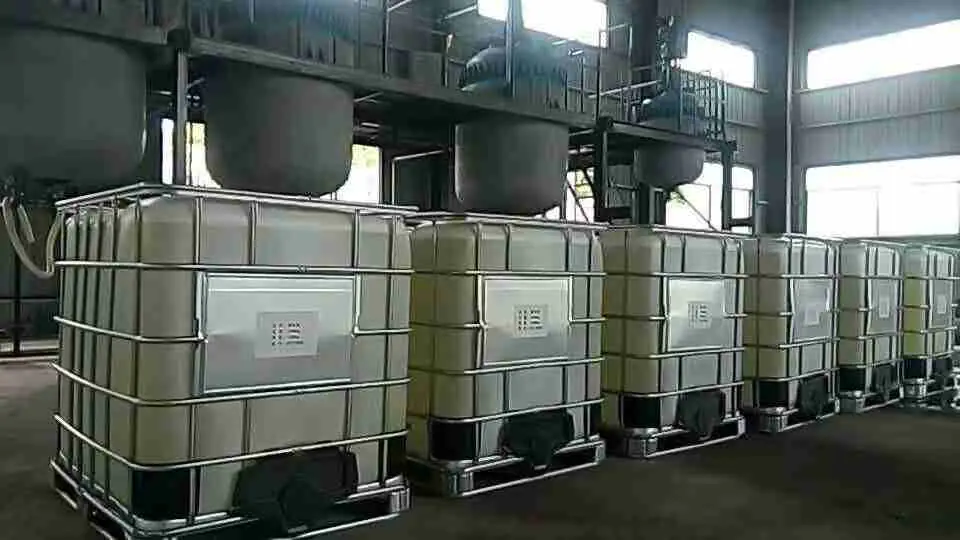
Production
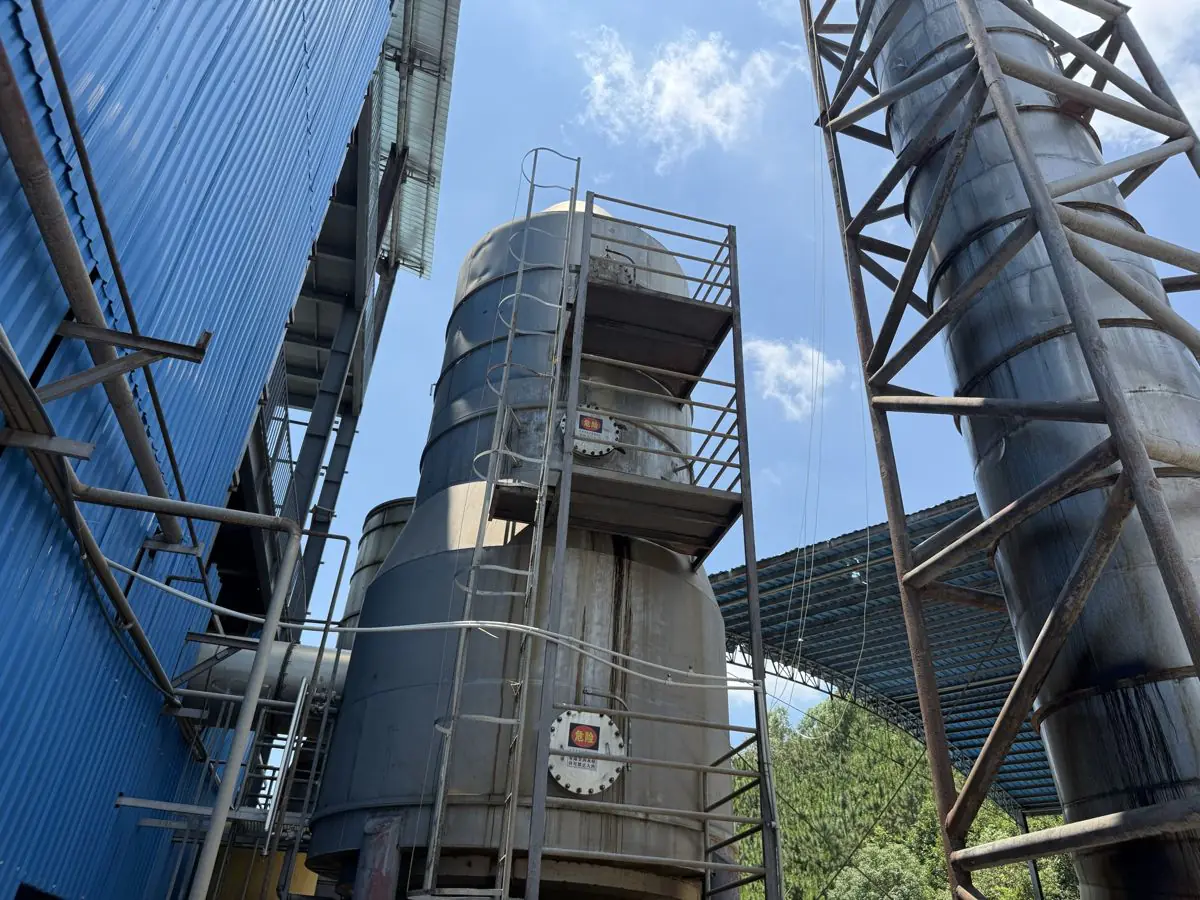
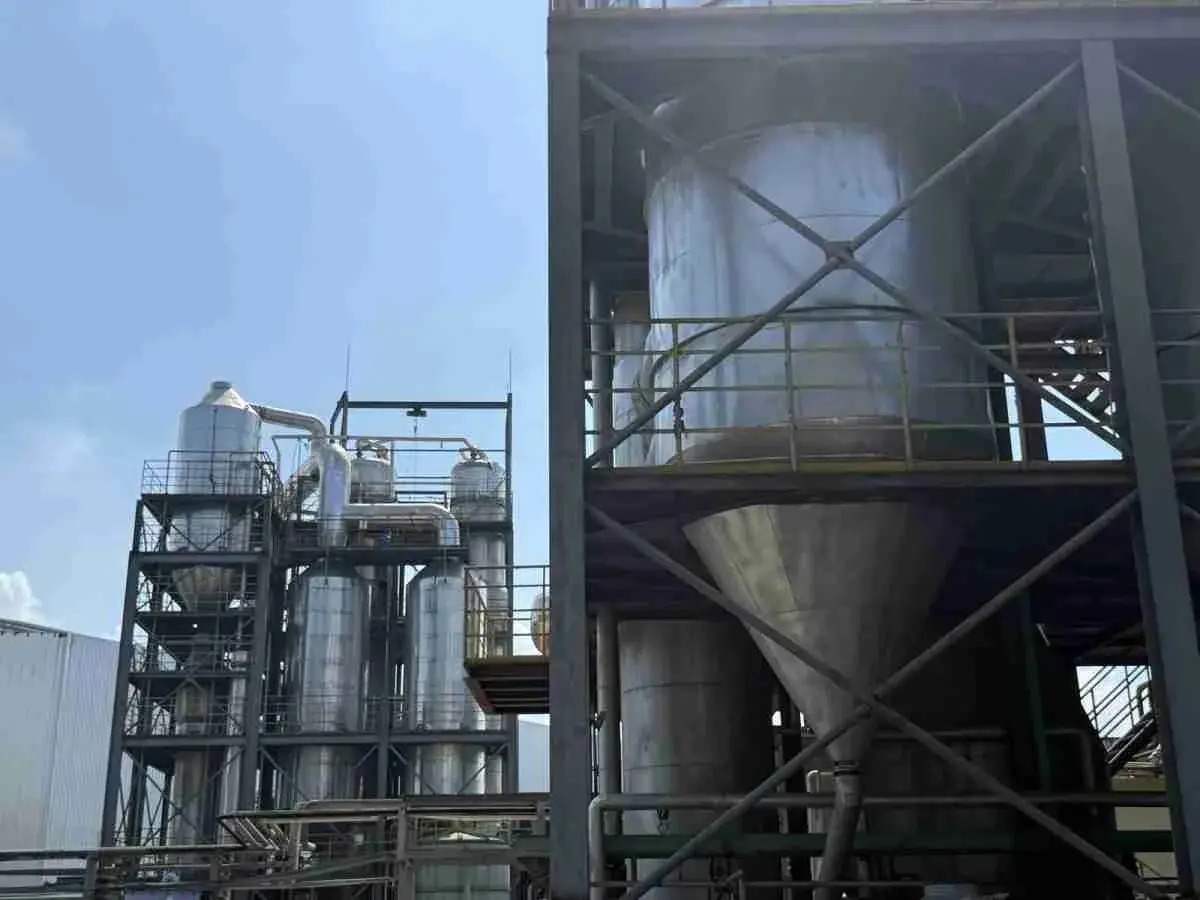
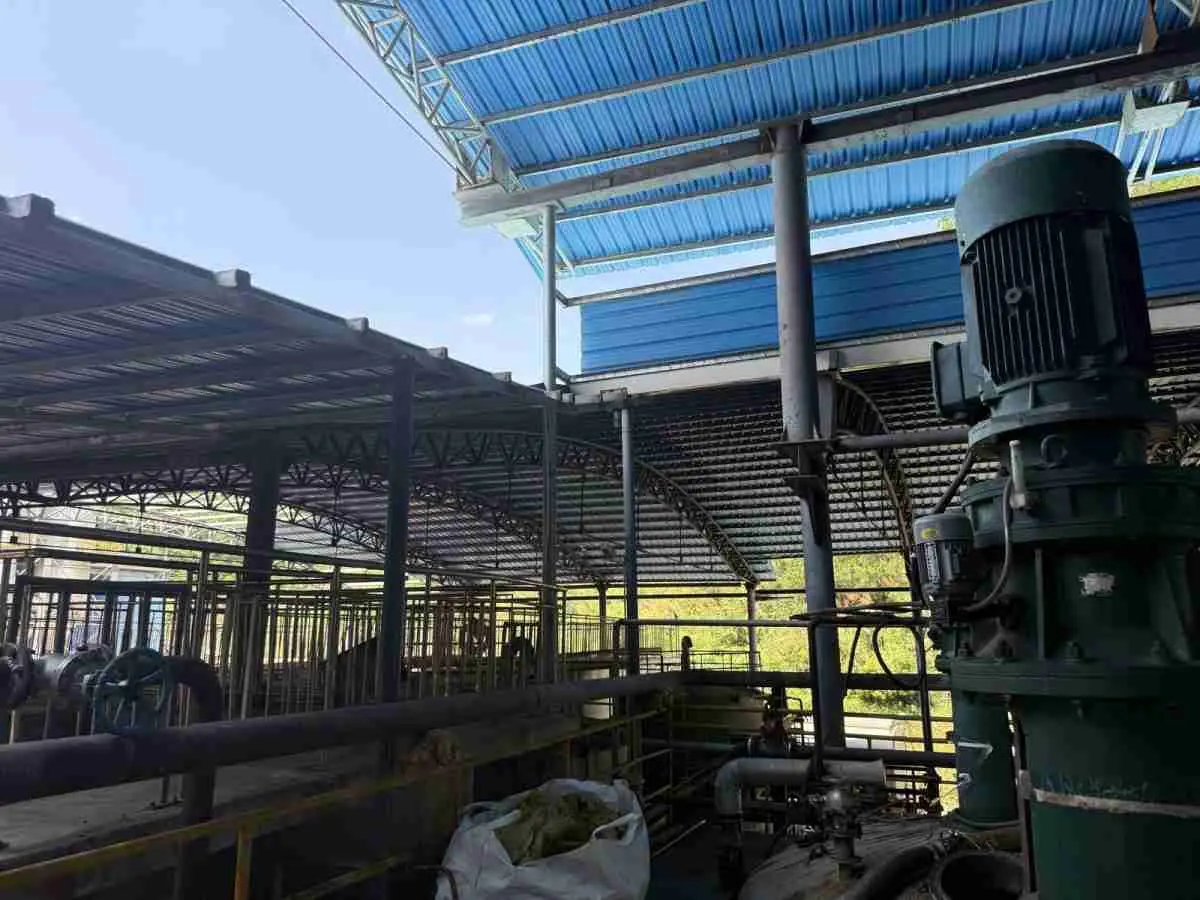
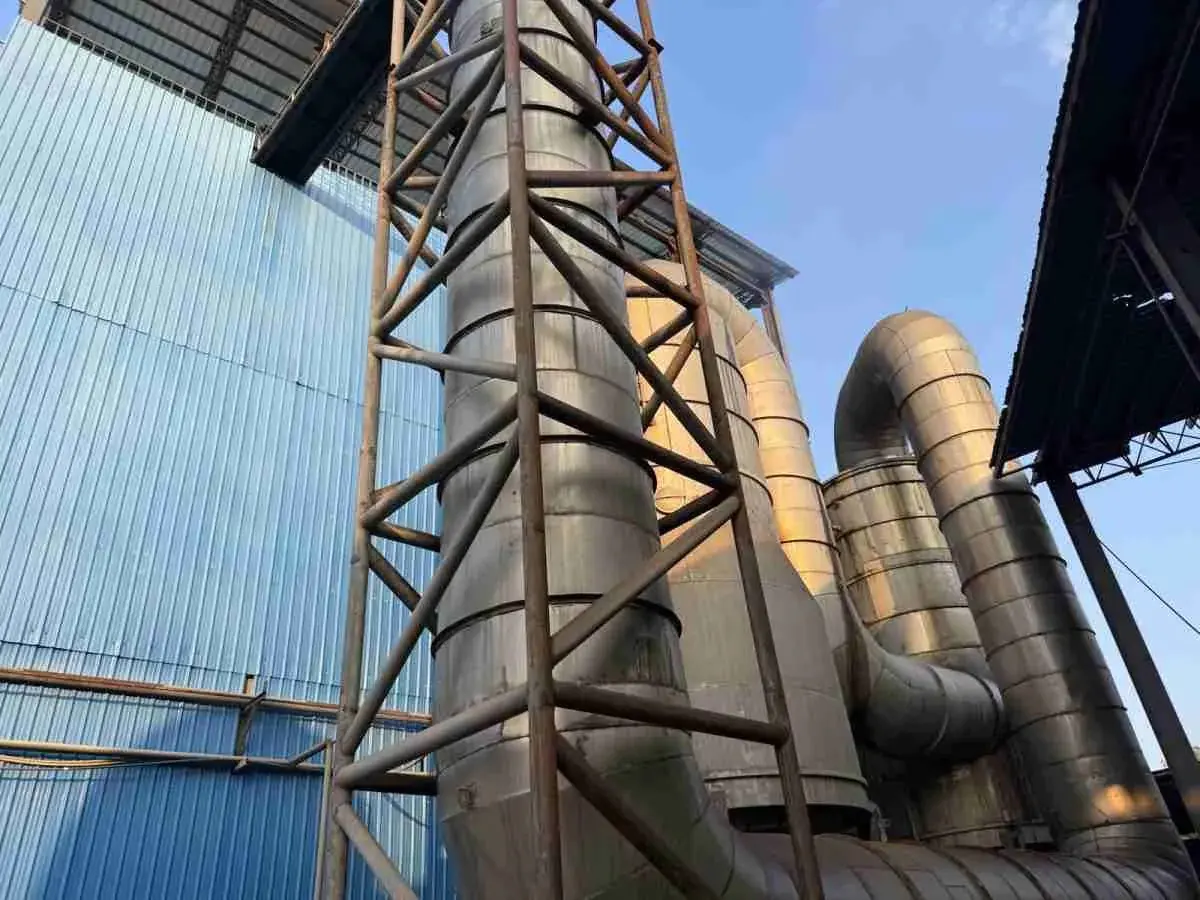
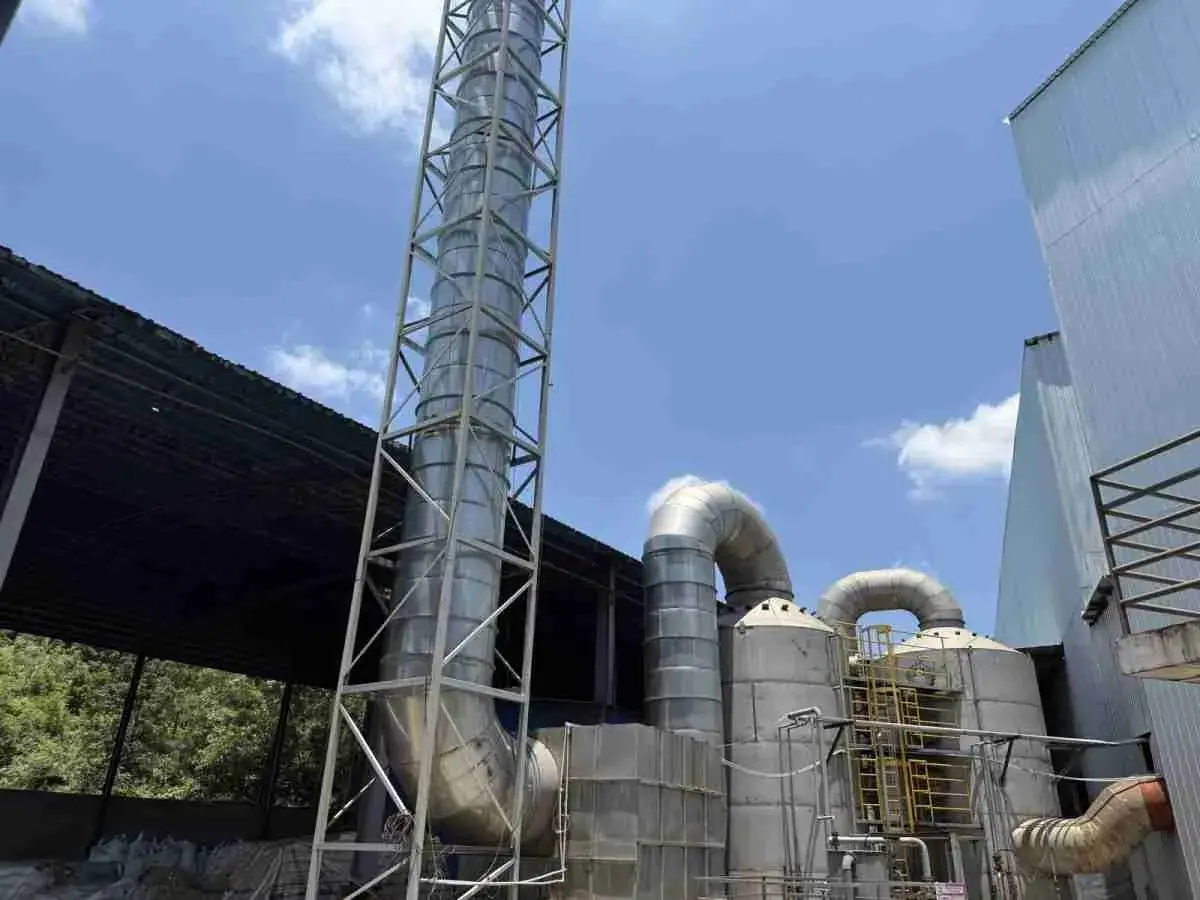
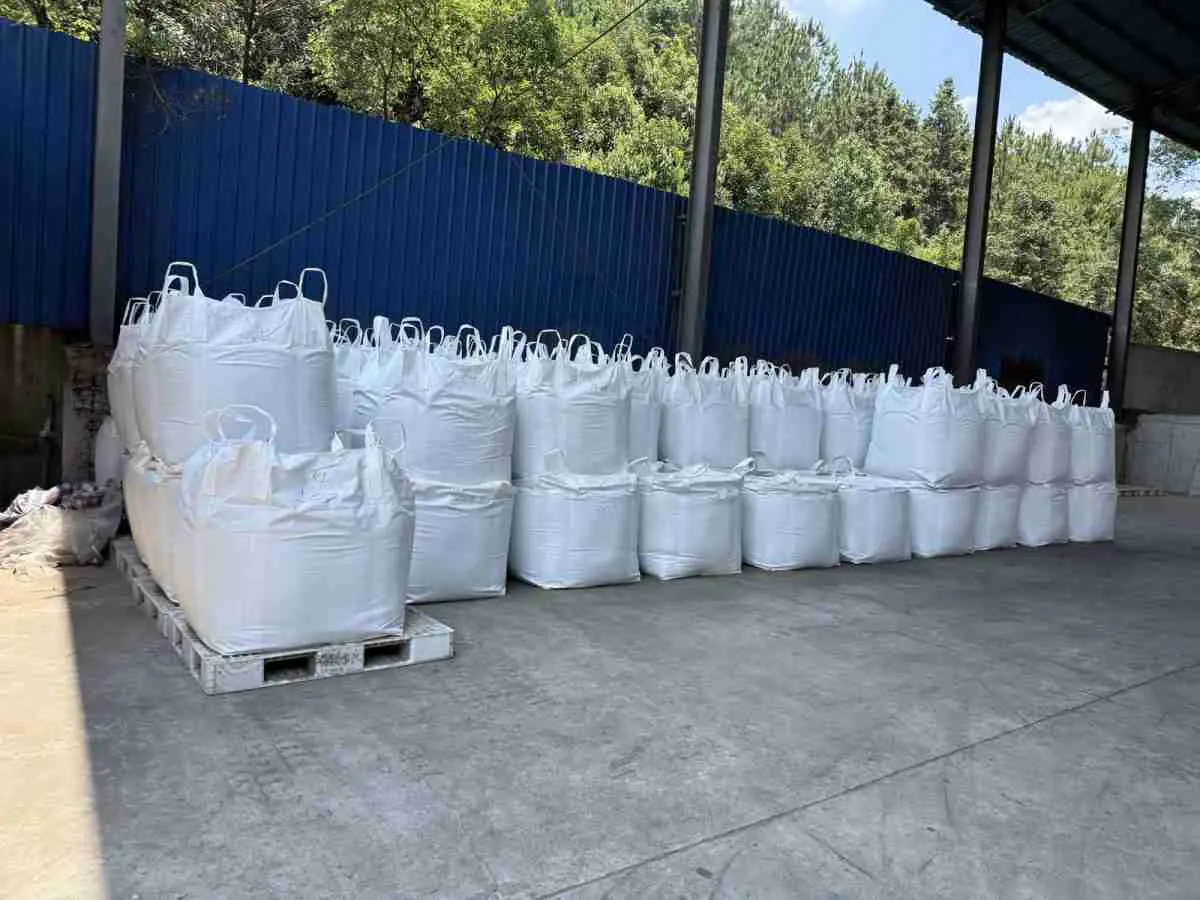
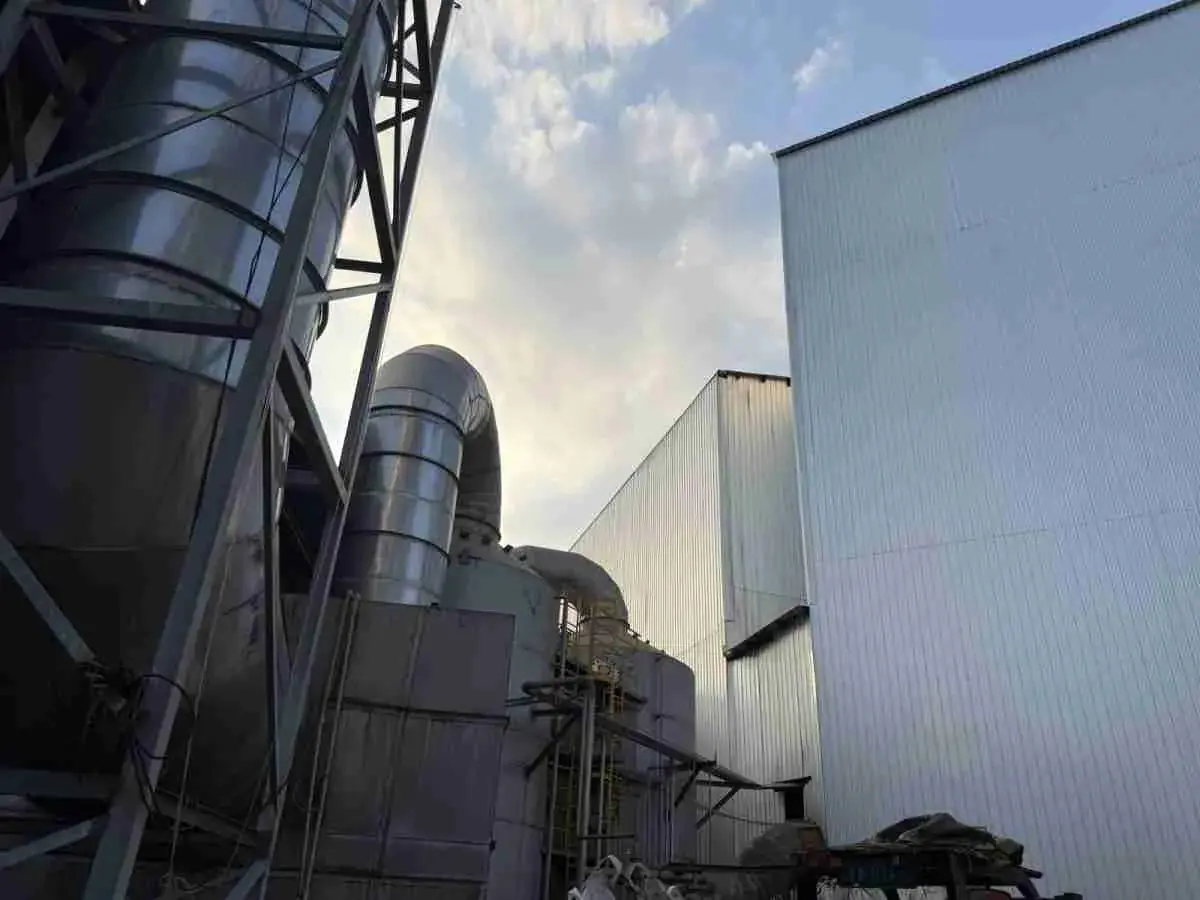
Inside a lignosulfonate plant
Evaporation, spray drying and packing: the steps between pulping liquor and the product you receive.
Environmental & safety data
What the safety data sheets say
Summarised from our product SDS. Read the full SDS for each grade before use.
| Product family | GHS (SDS §2) | Ecotoxicity (SDS §12) | Degradability / disposal |
|---|---|---|---|
| Lignosulfonates (Na, Ca, Mg, NH₄, K) | Not classified as hazardous | No product-specific aquatic data; generally regarded as low aquatic toxicity | Expected to be inherently biodegradable |
| Lignohumates | Not classified as hazardous | No product-specific aquatic data; generally regarded as low aquatic toxicity | Expected to be inherently biodegradable |
| Lignin powder | Not classified as hazardous | No product-specific aquatic data | Expected to be inherently biodegradable |
| Micronutrient grades | Most grades not classified; Mn grade not determined | Avoid release of concentrated material to waterways | Carrier biodegradable; the metal does not degrade |
| Chrome lignosulfonate | Contains a chromium complex | No product-specific aquatic data | Dispose of as chromium-containing waste |
Transparency
What we document, and what we do not claim yet
We can document
- Raw-material origin of each product family
- SDS hazard, ecological and disposal sections
- Batch COA with the measured results
- Packaging, storage and shelf life per grade
Not available yet
- Life-cycle assessment (LCA) or carbon footprint
- Tested bio-based carbon percentage
- REACH registration number
- Current management-system certificate
ESG documents
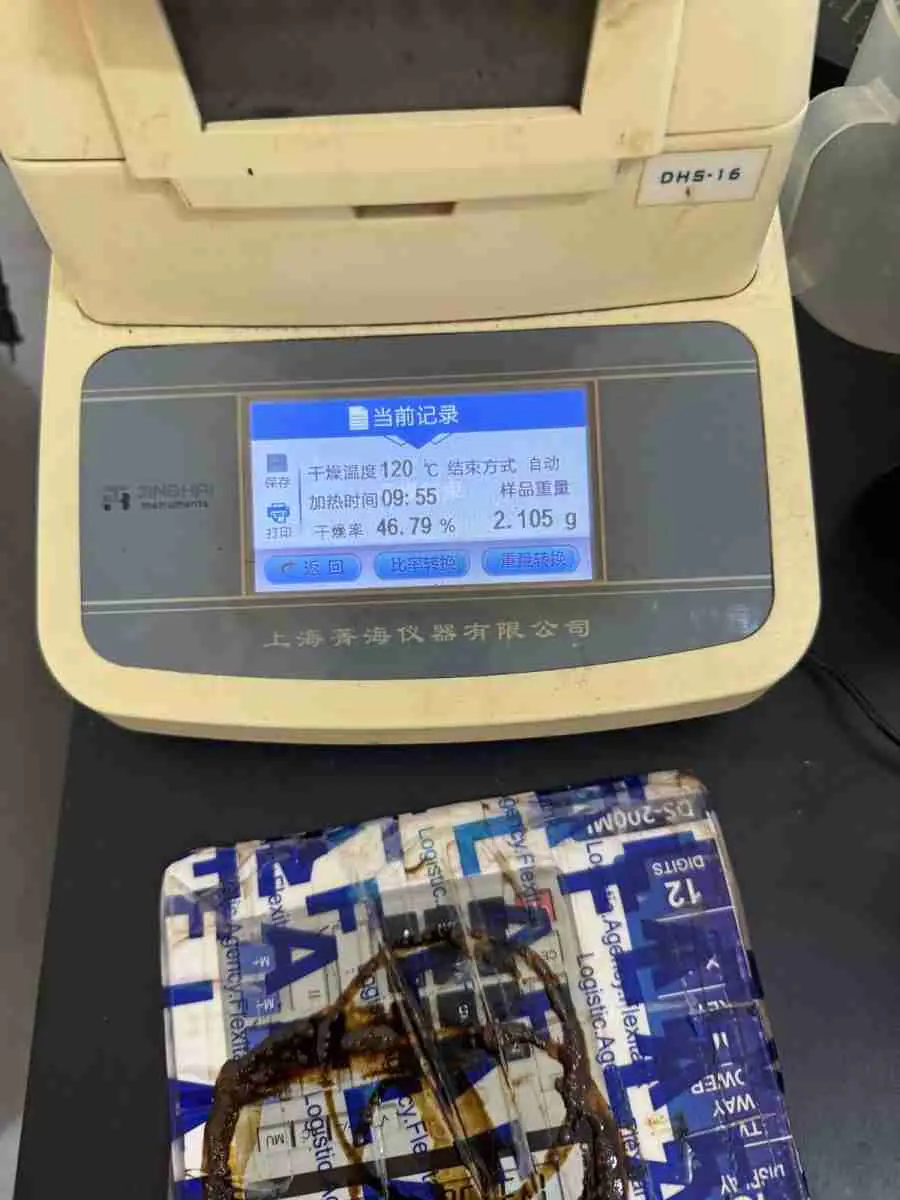
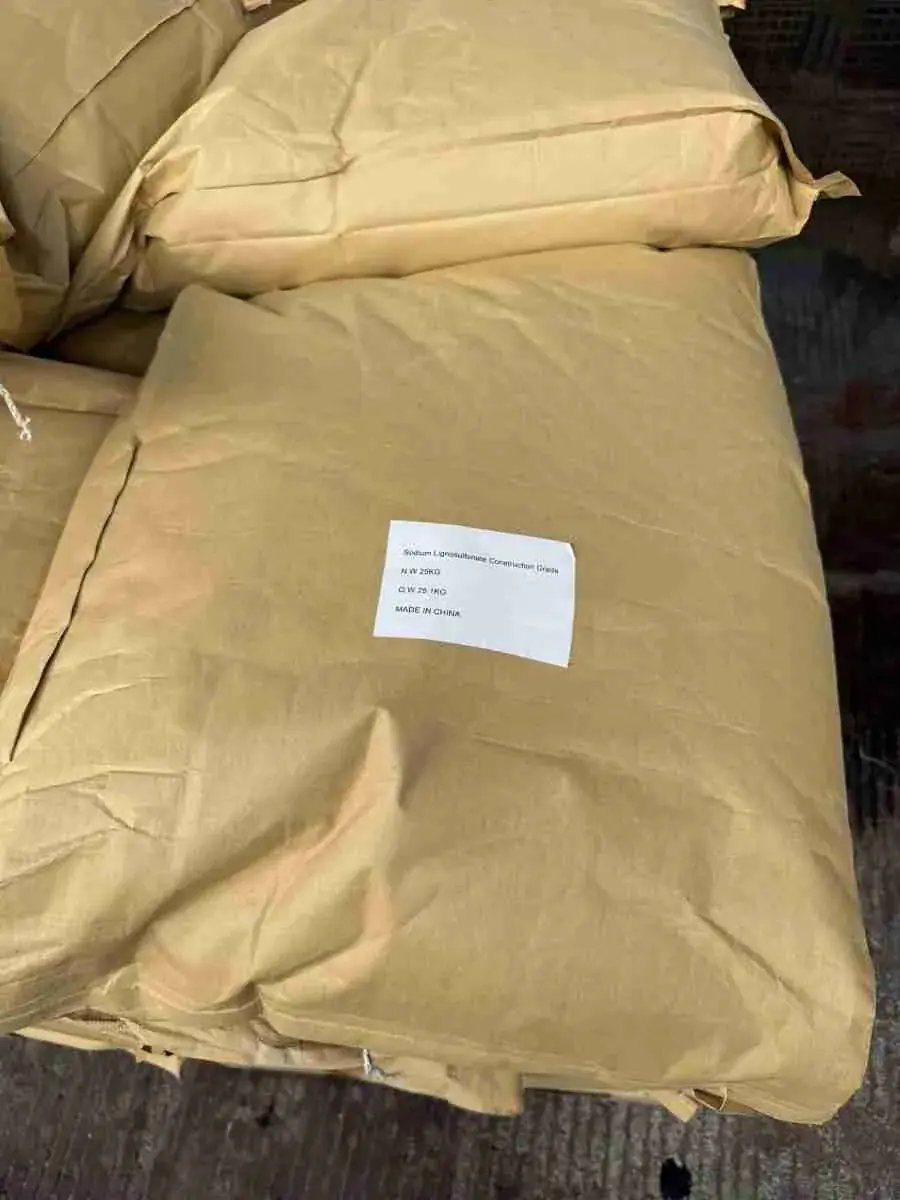
Documents we can provide
What a lignosulfonate COA reports (sodium lignosulfonate Grade One example):
FAQ
Common ESG questions
Are your lignosulfonates bio-based?
They are made from lignin recovered from the spent liquor of sulfite wood pulping, so the raw material comes from wood. We have not yet tested them to a bio-based content standard, so we do not state a bio-based carbon percentage.
Do you publish a carbon footprint?
Not yet. No life-cycle assessment has been completed for these products, so we do not state a carbon footprint.
Can you help with our supplier questionnaire?
Yes. Send the questionnaire with the product and grade. We supply the TDS, SDS, batch COA and raw-material origin statement and point to the section that answers each question.
Which products need extra care?
Chrome lignosulfonate contains a chromium complex and must be disposed of as chromium-containing waste. The hazard classification of manganese lignosulfonate has not been determined.
Articles
Environment and safety questions, answered
-
Are there handling hazards for sodium lignosulfonate?
Handling hazards of sodium lignosulfonate: dust irritation, slipping, fire and incompatibilities, with the PPE and controls from its SDS.
-
Sodium lignosulfonate SDS (Safety Data Sheet)
Sodium lignosulfonate SDS summarised section by section: GHS classification, first aid, handling, PPE, ecology, disposal and transport.
-
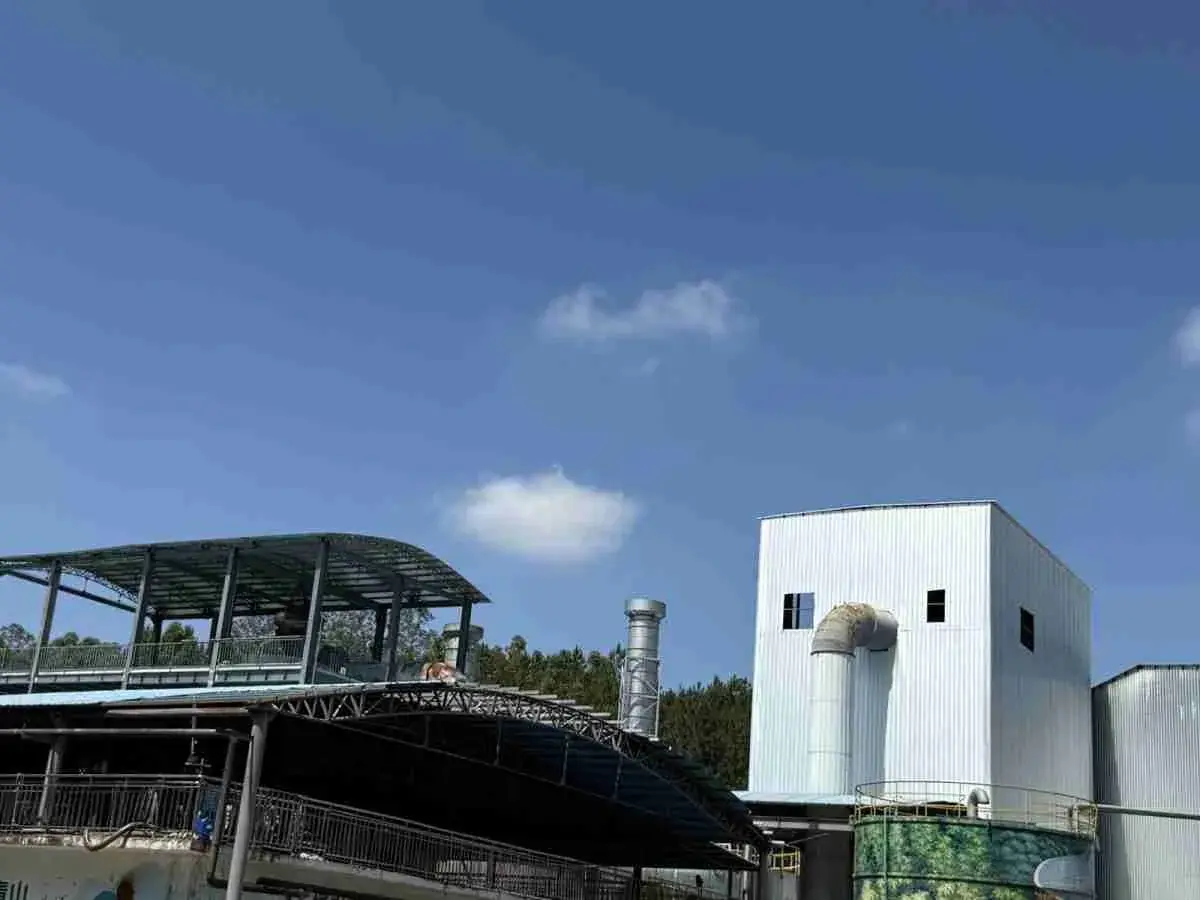
What is the environmental impact of sodium lignosulfonate?
Sodium lignosulfonate environmental impact: pulp-mill origin, what its SDS says on toxicity and degradability, impact by application, and what is not measured.
-
Is sodium lignosulfonate safe for human skin?
Is sodium lignosulfonate safe for skin? What its SDS says about skin contact, mild irritation, first aid and gloves, and why it…
-
Lignin and Carbon Sequestration: What Can and Cannot Be Claimed
Lignin and carbon sequestration: where the carbon in lignin products goes, and what Green Agrochem can and cannot claim without an LCA.
-
Industrial Uses of Wood Pulp Byproducts – Lignosulfonate
How lignosulfonate, a by-product of sulfite wood pulping, is used in concrete, dust control, feed, fertilisers, ceramics, drilling muds and batteries.
Filling in a supplier questionnaire?
Tell us the product and grade. We send the TDS, SDS, batch COA and raw-material origin statement, and answer what the documents cover.